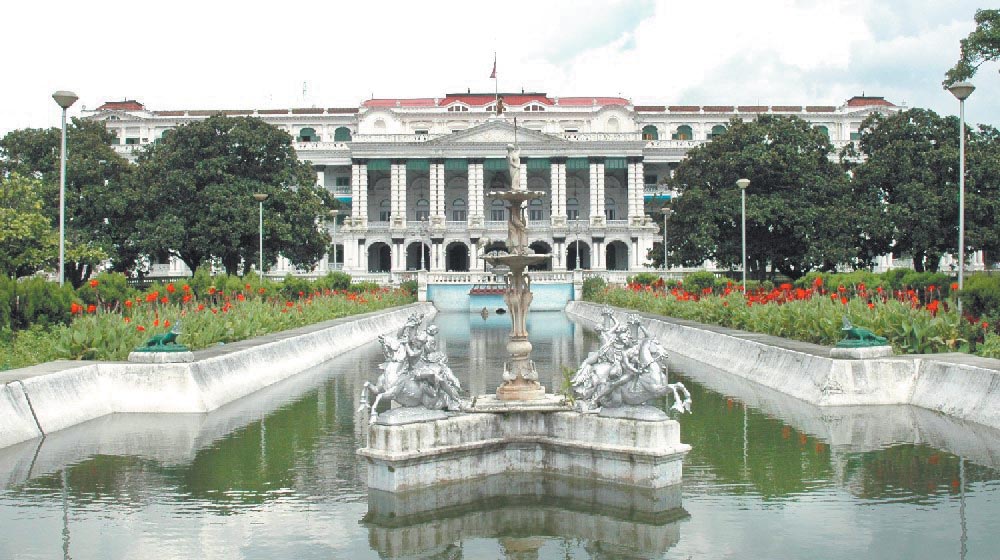
नेपालको संविधान २०७२ (सन् २०१५) प्रस्तावनाबाट सुरु हुन्छ, जसले देशको मार्गदर्शक मूल्य र लक्ष्य प्रस्तुत गर्दछ। धारा ४(१) ले नेपाललाई स्वतन्त्र, अविभाज्य, सार्वभौमसत्तासम्पन्न, धर्मनिरपेक्ष, समावेशी, लोकतान्त्रिक, समाजवाद उन्मुख, संघीय लोकतान्त्रिक गणतन्त्रात्मक राज्य भनी घोषणा गर्दछ।
प्रस्तावनाका मुख्य विषयहरू
सार्वभौमसत्ता: सार्वभौमसत्ता र राजकीयसत्ता नेपाली जनतामा निहित छ।
संघीयता: नेपाल तीन तहको सरकार भएको संघीय राज्य हो।
धर्मनिरपेक्षता: राज्यले धार्मिक स्वतन्त्रताको रक्षा गर्दै धार्मिक तटस्थता कायम राख्छ।
समावेशिता: वर्ग, जात, क्षेत्र, भाषा, धर्म र लिंगका आधारमा हुने विभेद अन्त्य गर्ने प्रतिबद्धता।
मौलिक हक (भाग ३, धारा १६–४६)
संविधानले प्रत्येक नागरिकलाई विभिन्न मौलिक हकको प्रत्याभूति गर्दछ:
सम्मानपूर्वक बाँच्न पाउने हक (धारा १६)
स्वतन्त्रताको हक — विचार र अभिव्यक्ति, भेला, आवागमन र पेसाको स्वतन्त्रता (धारा १७)
न्यायसम्बन्धी हक — विपन्न नागरिकलाई निःशुल्क कानुनी सहायता (धारा २०)
यातनाविरुद्धको हक (धारा २२)
छुवाछूत तथा भेदभावविरुद्धको हक (धारा २४)
शिक्षासम्बन्धी हक — निःशुल्क आधारभूत शिक्षा (धारा ३१)
स्वास्थ्यसम्बन्धी हक — आधारभूत स्वास्थ्य सेवा (धारा ३५)
आवासको हक (धारा ३७)
प्रत्येक नागरिकले सर्वोच्च अदालत वा उच्च अदालतमार्फत मौलिक हकको कार्यान्वयनको माग गर्न पाउँछन् — यसलाई संवैधानिक उपचारको हक (धारा ४६) भनिन्छ।
यो किन महत्त्वपूर्ण छ?
आफ्ना मौलिक हक बुझ्दा नागरिकले सरकारलाई जवाफदेही बनाउन सक्छन् र आफ्नो आधारभूत मानवीय मर्यादाको रक्षा देशको सर्वोच्च कानुनद्वारा सुनिश्चित हुन्छ।
The Preamble of Nepal's Constitution
The Constitution of Nepal 2015 (2072 BS) opens with a preamble that lays out the vision for the country. Article 4(1) then formally declares Nepal to be an independent, indivisible, sovereign, secular, inclusive, democratic, socialism-oriented, federal democratic republican state.
Key Themes in the Preamble
Sovereignty: The sovereign power belongs to the people of Nepal.
Federalism: Nepal is organized as a federal state with three tiers of government.
Secularism: The state maintains religious neutrality while protecting religious freedom.
Inclusiveness: Commitment to end discrimination based on class, caste, region, language, religion, and gender.
Fundamental Rights (Part 3, Articles 16–46)
The Constitution guarantees a wide range of fundamental rights to every citizen:
Right to live with dignity (Article 16)
Right to freedom — of speech, assembly, movement, and profession (Article 17)
Right to equality — no discrimination on grounds of origin, religion, race, caste, tribe, sex, etc. (Article 18)
Right to communication — freedom of opinion and expression (Article 19)
Right relating to justice — access to free legal aid for indigent citizens (Article 20)
Right against torture (Article 22)
Right to education — free basic education (Article 31)
Right to health — basic healthcare services (Article 35)
Right to food (Article 36)
Right to housing (Article 37)
Every citizen has the right to demand the enforcement of fundamental rights through the Supreme Court or High Courts.
Why This Matters
Understanding your fundamental rights empowers you to hold the government accountable and ensures that your basic human dignity is protected by the highest law of the land.
बिटा संस्करण / Beta Version: हामीले प्लेटफर्ममा ठूलो सुधार गरेका छौं। केही सानातिना समस्या आउन सक्छ जुन हामी छिट्टै समाधान गर्नेछौं।
We've done a massive overhaul. Expect a few kinks — we'll iron them out in the coming days.
AI सहायक / AI Assistant कुनै पनि पृष्ठमा तल्लो दायाँ कुनामा च्याटबट पाउनुहुनेछ। नेपाली वा अंग्रेजीमा सोध्नुहोस् — सरकार, निर्वाचन, वा प्लेटफर्मबारे। Look for the chatbot in the bottom-right corner. Ask anything about governance, elections, or the platform — in Nepali or English.
नमस्कार! म तपाईंको HamroNeta AI सहायक — स्वकीय हुँ। नेपालको शासन, सांसद, वा नीतिका बारेमा सोध्नुहोस् — वा तल टाप गर्नुहोस्।
Hello! I'm your HamroNeta AI assistant, Swakiya. Ask about Nepal's government, MPs, or policy — or tap an option below.